Understanding Blood Sugar and Metabolic Health: A Closer Look at Glucose and Everyday Habits
Understanding Blood Sugar and Metabolic Health: A Closer Look at Glucose and Everyday Habits
Blood sugar is an important part of the body's normal functioning. Glucose provides energy for cells, and the body uses several interconnected processes to help regulate the amount of glucose circulating in the bloodstream.
Learning how these processes work can provide a useful starting point for understanding metabolic health, nutrition, daily routines, and the factors associated with blood glucose levels.
For people interested in learning more about type 2 diabetes, there are several important topics to explore, including how the body processes glucose, the role of insulin, and the different approaches used to monitor and manage blood sugar.
What Is Blood Sugar, and Why Does It Matter?
Blood sugar, also known as blood glucose, refers to the amount of glucose present in the bloodstream.
After eating foods containing carbohydrates, the digestive system breaks down much of this carbohydrate into glucose, which enters the bloodstream. The body then uses hormones, particularly insulin, to help regulate glucose levels and support the movement of glucose into cells.
The liver also plays an important role by storing glucose and releasing it when the body needs energy.
These processes help maintain a balance between the body's energy requirements and the availability of glucose. Blood sugar levels naturally fluctuate throughout the day, including after meals, during periods of physical activity, and overnight.
Understanding these normal fluctuations can help explain why blood glucose measurements are interpreted in relation to factors such as meal timing, medication use, and individual health circumstances.
How Does the Body Regulate Glucose?
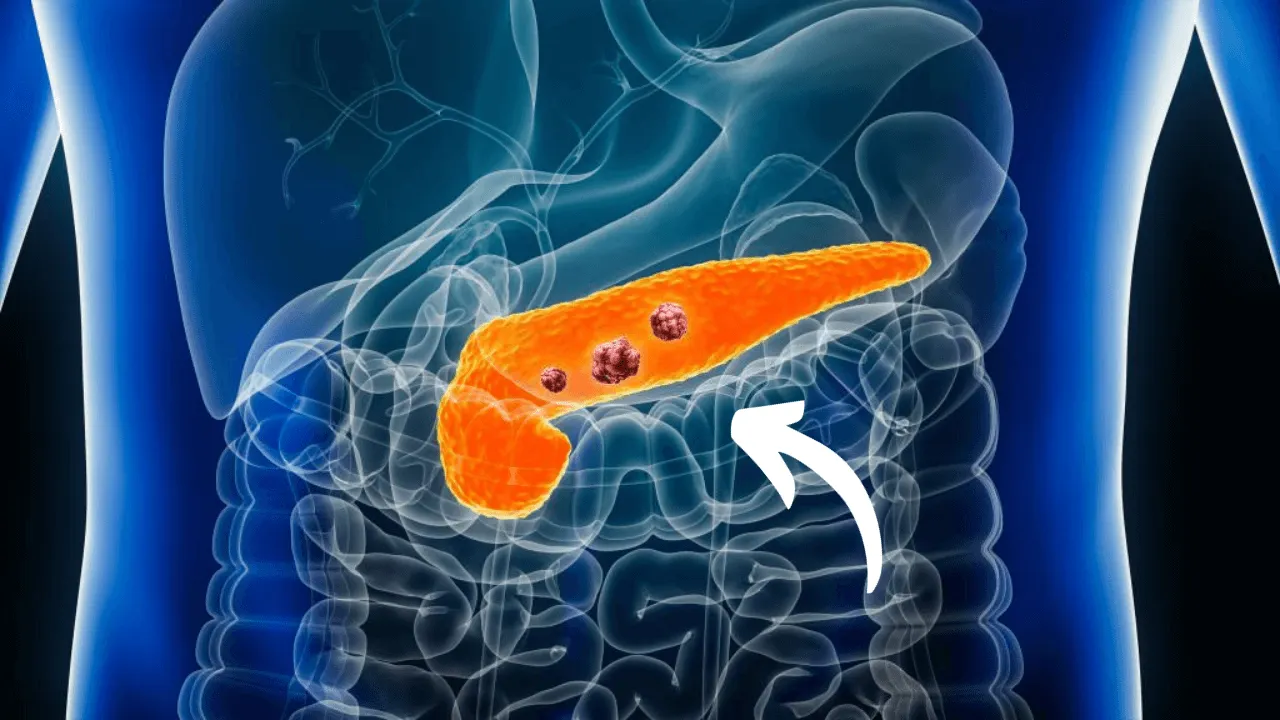
Insulin is a hormone produced by beta cells in the pancreas. It helps regulate blood glucose by supporting glucose uptake in certain tissues and influencing how the body stores and uses energy.
In type 2 diabetes, the body may become less responsive to insulin, a process known as insulin resistance. Over time, the pancreas may also become unable to produce enough insulin to meet the body's needs.
These changes can contribute to elevated blood glucose levels.
Type 2 diabetes is a complex metabolic condition. Its development can involve a combination of genetic, biological, environmental, and lifestyle-related factors. No single factor explains every case, and individual circumstances can differ considerably.
What Factors Can Influence Blood Glucose Levels?
Blood glucose is influenced by several interconnected factors. Understanding them can provide a broader perspective on metabolic health.
Food and meal patterns
Carbohydrates generally have a direct effect on blood glucose because they are broken down into glucose during digestion. The amount and type of carbohydrate, the overall composition of a meal, and individual responses can all influence glucose patterns.
Physical activity
Muscle activity affects how the body uses glucose. Regular physical activity is commonly included in diabetes management plans because it can support glucose regulation and overall health.
Sleep and daily routines
Sleep patterns, stress, illness, and changes in routine may influence glucose regulation. These factors can interact with other aspects of health and may affect individual blood glucose readings.
Medications and other health conditions
Certain medications and medical conditions can affect glucose levels. For people who monitor their blood sugar, understanding these influences can help provide context for changes over time.
The relative importance of these factors varies from person to person. Their effects should be considered within the broader context of an individual's health and care plan.
Understanding Type 2 Diabetes
Type 2 diabetes is a long-term condition characterized by elevated blood glucose resulting from problems with insulin action, insulin production, or both.
The condition can develop gradually, and some people may not notice obvious symptoms during its early stages. Others may experience increased thirst, frequent urination, fatigue, or changes in vision.
These symptoms can have other causes as well, so they cannot establish a diagnosis on their own. Blood tests and appropriate medical assessment are used to evaluate glucose regulation and diagnose diabetes.
Learning about the condition can help people understand why monitoring, follow-up appointments, and individualized care are important components of diabetes management.
Exploring the Relationship Between Nutrition and Metabolic Health
Nutrition is a frequently discussed topic in diabetes education. A balanced eating pattern can take into account carbohydrate intake, fiber, protein, fats, portion sizes, and individual nutritional needs.
Foods containing fiber, including vegetables, legumes, and whole grains, can form part of a balanced eating pattern. The effects of different foods on blood glucose may vary depending on the food itself, the overall meal, and individual factors.
There is no single meal plan that is appropriate for everyone. Nutritional choices may need to account for medication use, other medical conditions, cultural preferences, and personal circumstances.
For people managing diabetes, a qualified healthcare professional or registered dietitian can help develop an approach that fits their needs.
Why Is Physical Activity Commonly Discussed in Diabetes Education?
Physical activity is relevant to metabolic health because working muscles use energy, including glucose. Regular movement can also support cardiovascular health, mobility, and general well-being.
Different activities may suit different people depending on their current fitness, preferences, and medical circumstances. Examples include walking, cycling, resistance exercises, and other forms of movement that can be incorporated into daily routines.
People who use insulin or certain glucose-lowering medications may need to consider how activity affects their blood glucose and discuss appropriate precautions with their healthcare team.
The purpose of learning about physical activity is to understand its role within a broader health strategy rather than to assume that one particular exercise will produce the same results for everyone.
The Role of Sleep and Evening Routines
Sleep is another area explored in research on metabolic health. The relationship between sleep and glucose regulation involves several biological processes, and researchers continue to investigate how sleep duration, sleep quality, and daily rhythms relate to metabolic function.
Evening routines can vary widely. Some people prefer a consistent bedtime, while others focus on reducing distractions and creating a comfortable sleep environment.
A short bedtime activity may be discussed in educational material as part of a general routine. However, the duration of an activity does not establish its ability to lower blood glucose or treat a medical condition.
There is an important distinction between a routine that supports general well-being and an intervention that has been shown to produce a specific clinical outcome.
For anyone interested in a particular method related to blood sugar, it is useful to examine what the method involves, the evidence supporting it, and whether it has been appropriately studied.
How Is Blood Sugar Commonly Monitored?
Blood glucose monitoring and laboratory testing can provide information about glucose regulation.
Depending on the individual's circumstances, healthcare professionals may use fasting blood glucose, glycated hemoglobin (HbA1c), or other appropriate tests to assess glucose levels.
HbA1c provides an indication of average blood glucose over approximately the previous two to three months. Other measurements provide information about glucose levels at particular times.
The choice of test and the interpretation of results depend on the clinical context. A healthcare professional can explain what the results mean and whether any changes to an existing care plan are appropriate.
Keeping track of relevant measurements, symptoms, medications, and daily routines may also provide useful information during medical consultations.
Exploring New Ideas About Blood Sugar and Metabolic Health
Educational videos and articles can introduce different aspects of glucose regulation, including the role of insulin, the relationship between nutrition and metabolism, and the research surrounding sleep and daily habits.
When reviewing a proposed technique or a new health-related claim, it is useful to distinguish between an explanation of a biological process and evidence that a specific method produces a measurable clinical benefit.
Claims about rapidly lowering blood sugar, reversing type 2 diabetes, or replacing established treatments require appropriate supporting evidence. A short routine should not automatically be assumed to produce these outcomes.
Reliable educational resources can help people understand the subject while maintaining realistic expectations about what a particular approach may or may not accomplish.
Taking an Informed Approach to Blood Sugar Management
Blood glucose regulation involves several biological systems, and type 2 diabetes can differ significantly between individuals. Learning about nutrition, physical activity, sleep, monitoring, and available treatment approaches can provide a more complete understanding of metabolic health.
For people who have been diagnosed with diabetes, management decisions should be based on their individual circumstances and discussed with an appropriate healthcare professional.
Prescribed medication should not be stopped or adjusted solely because of information presented in an online video. Any changes to a treatment plan should be discussed with the prescribing healthcare professional.
The information in this article is intended for general educational purposes and is not a substitute for professional medical advice, diagnosis, or treatment.
Watch the Free Informational Video Below to Learn More About Blood Sugar, Glucose Regulation, and Metabolic Health.
© 2026 SCALVO MEDIA COMPANY LIMITED. All rights reserved.