What Causes High Blood Sugar? Understanding Glucose, Insulin, and Metabolic Health
What Causes High Blood Sugar? Understanding Glucose, Insulin, and Metabolic Health
Blood sugar is an essential part of how the human body produces and uses energy. Every day, the body relies on glucose to support many important functions, from physical movement to normal brain activity.
However, blood glucose levels are not always constant. They naturally rise and fall throughout the day depending on food intake, physical activity, hormones, and other biological processes.
Understanding what influences these changes can provide a useful starting point for learning about blood sugar regulation, metabolic health, and the factors associated with elevated glucose levels.
What Is Blood Sugar?
Blood sugar, also known as blood glucose, refers to the amount of glucose circulating in the bloodstream.
Glucose is an important source of energy for the body's cells. Much of it comes from carbohydrates in food, although the body can also produce glucose through processes involving the liver.
After a meal, the digestive system breaks down carbohydrates into smaller molecules, including glucose. As glucose enters the bloodstream, blood sugar levels generally begin to rise.
The body responds through a coordinated system of hormones and metabolic processes that help regulate glucose availability and energy use.
This system allows the body to respond to changing energy needs throughout the day.
How Does Insulin Help Regulate Blood Sugar?
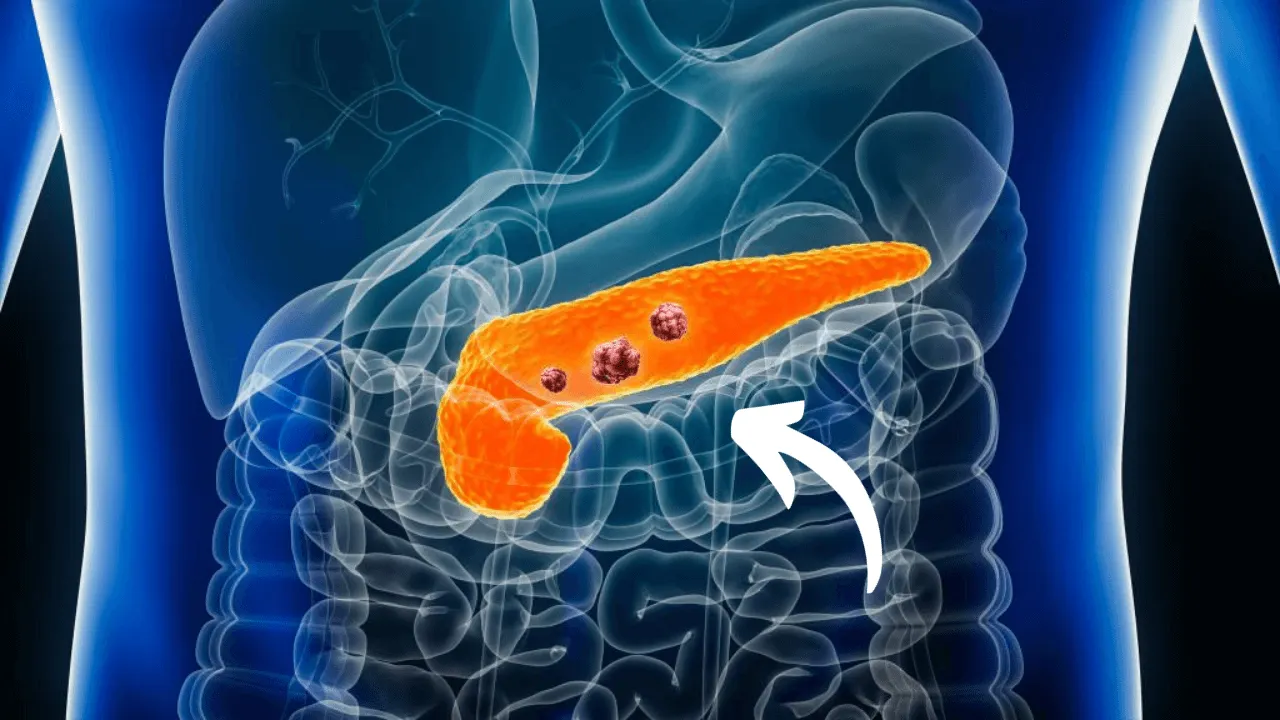
Insulin is a hormone produced by specialized cells in the pancreas.
One of its main functions is to help regulate blood glucose by supporting the movement of glucose into muscle and fat cells. Insulin also influences how the liver stores and releases glucose.
When blood glucose rises after eating, the pancreas normally releases insulin to help the body process and use the available glucose.
As glucose is taken up or stored, blood sugar levels generally move back toward their usual range.
This process is an important part of normal metabolism.
However, glucose regulation involves more than insulin alone. Other hormones, the liver, muscles, and several biological systems also contribute to maintaining blood sugar balance.
What Can Cause High Blood Sugar?
High blood sugar, medically known as hyperglycemia, occurs when glucose levels in the bloodstream become elevated.
There are several possible explanations for elevated blood glucose, and the underlying factors can differ from person to person.
1. Insulin Resistance
Insulin resistance occurs when certain cells become less responsive to insulin.
As a result, the body may need to produce more insulin to help maintain glucose regulation. Over time, if insulin production cannot keep up with the body's needs, blood glucose levels may rise.
Insulin resistance is commonly associated with type 2 diabetes, although it can also occur in other circumstances.
2. Changes in Insulin Production
The pancreas plays an important role in glucose regulation by producing insulin.
When the body does not produce enough insulin to meet its needs, glucose may remain elevated in the bloodstream.
The reasons for reduced insulin production can vary and may involve different metabolic or medical conditions.
3. Food and Carbohydrate Intake
Carbohydrates are broken down into glucose during digestion.
The amount and type of carbohydrate consumed, the composition of a meal, and individual metabolic responses can influence blood sugar levels after eating.
However, high blood sugar is not explained solely by eating sugar. Glucose regulation also depends on insulin activity, liver function, and other physiological processes.
4. Physical Activity
Muscles use glucose as a source of energy, particularly during physical activity.
Activity levels can influence how the body uses glucose and responds to insulin. Regular movement is therefore commonly discussed as part of general metabolic health and diabetes management.
The effects of physical activity vary depending on intensity, duration, medications, and individual health circumstances.
5. Stress and Hormonal Changes
The body releases several hormones in response to physical or emotional stress.
Some of these hormones, including cortisol and adrenaline, can influence glucose production and blood sugar regulation.
Temporary increases in blood glucose may occur during illness, injury, or other stressful situations.
6. Sleep and Daily Routines
Sleep and metabolic health are connected through several biological processes.
Changes in sleep duration, sleep quality, and daily routines may influence hormones involved in appetite, energy regulation, and glucose metabolism.
Researchers continue to investigate these relationships and how they vary between individuals.
7. Medications and Medical Conditions
Certain medications, including some corticosteroids, can raise blood glucose levels.
Medical conditions affecting the pancreas, hormonal systems, or other aspects of metabolism may also contribute to elevated glucose.
These examples demonstrate why high blood sugar can have multiple contributing factors rather than one universal cause.
Understanding the Role of the Liver
The liver is an important organ in blood glucose regulation.
Between meals and during periods when the body requires additional energy, the liver can release stored glucose into the bloodstream.
It can also produce glucose through a process called gluconeogenesis.
Hormones such as insulin and glucagon help regulate these activities.
In some metabolic conditions, the liver may continue releasing more glucose than the body needs, contributing to elevated blood sugar levels.
Understanding the liver's role helps illustrate why glucose regulation involves several organs working together.
What Is the Connection Between High Blood Sugar and Type 2 Diabetes?
Type 2 diabetes is a metabolic condition characterized by persistently elevated blood glucose.
It commonly involves a combination of insulin resistance and an inability of the pancreas to produce enough insulin to meet the body's requirements.
Genetic susceptibility, age, body composition, activity levels, and other health-related factors can influence the development of type 2 diabetes.
Not everyone with elevated blood glucose has diabetes. Blood sugar can also rise temporarily because of illness, stress, medications, or other circumstances.
Healthcare professionals use appropriate laboratory tests, including fasting plasma glucose and HbA1c, to assess glucose regulation and determine whether diagnostic criteria are met.
Why Can Blood Sugar Change Throughout the Day?
Blood glucose is dynamic rather than fixed.
Levels may rise after eating, change during physical activity, or fluctuate in response to hormones and daily routines.
For some people, glucose levels may also rise during the early morning hours as part of hormonal changes associated with the body's normal waking cycle.
These variations demonstrate the importance of interpreting glucose measurements in context.
A single reading does not always provide a complete picture of overall glucose regulation.
Everyday Habits and Metabolic Health
General metabolic health information often discusses several everyday habits that can influence glucose regulation.
These include maintaining a balanced eating pattern, participating in suitable physical activity, getting adequate sleep, and following recommended medical care.
For individuals diagnosed with diabetes, blood glucose management may also involve monitoring, medication, and an individualized care plan.
There is no single food, drink, supplement, or short routine that can be assumed to correct every cause of elevated blood sugar.
The most appropriate approach depends on the individual's medical history, health status, and specific needs.
Exploring New Research About Blood Sugar
Scientific research continues to investigate the complex relationship between insulin, glucose metabolism, hormonal regulation, and the body's energy systems.
Researchers study how the pancreas, liver, muscles, and other tissues interact to maintain glucose balance.
Educational videos and articles may introduce some of these concepts and discuss different approaches to understanding metabolic health.
When exploring a new method or health-related claim, it is useful to consider the available evidence, the population studied, and whether the findings have been independently evaluated.
A technique described as simple or convenient should not automatically be assumed to lower blood sugar, treat diabetes, or replace established medical care.
When Is Medical Evaluation Important?
Persistently elevated blood glucose may warrant evaluation by a healthcare professional.
Symptoms such as increased thirst, frequent urination, unexplained weight changes, or unusual fatigue can occur with high blood sugar, although these symptoms can also have other explanations.
Severe hyperglycemia accompanied by vomiting, confusion, significant dehydration, or difficulty breathing requires urgent medical attention.
People who have been prescribed diabetes medications should not stop or adjust their treatment solely on the basis of information from an online article or video.
Appropriate testing and professional guidance can help determine the cause of elevated glucose and the most suitable management options.
A Closer Look at Blood Sugar and Everyday Health
High blood sugar is influenced by a complex interaction of insulin activity, glucose production, nutrition, hormones, physical activity, and individual health factors.
Understanding these processes can help provide a clearer perspective on why blood glucose levels change and why different people may require different approaches to managing their metabolic health.
This short informational video introduces additional topics related to blood glucose, insulin, and the biological processes involved in metabolic regulation.
The material is intended for general educational purposes and should not be considered a substitute for professional medical advice, diagnosis, or treatment.
Watch the Free Informational Video Below to Learn More About the Causes of High Blood Sugar and Metabolic Health.
© 2026 SCALVO MEDIA COMPANY LIMITED. All rights reserved.